
Blog
Blog
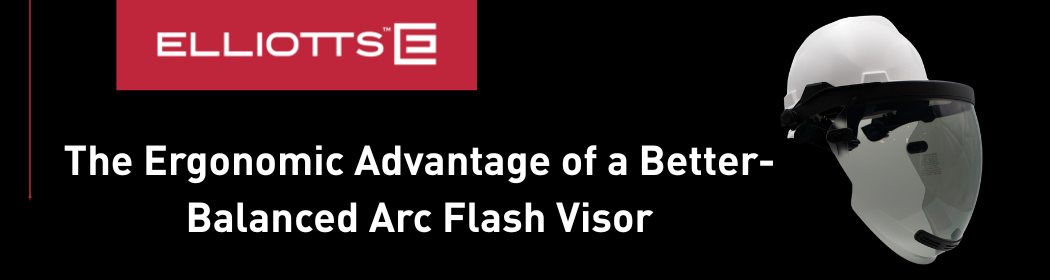
The Ergonomic Advantage of a Better-Balanced Arc Flash Visor
When arc flash PPE is assessed, most attention goes to protection levels, standards and lens performance. Those factors are critical. But there is another issue that has a major impact on how PPE performs in the real world: ergonomics.
If a visor feels awkward, heavy or badly balanced, workers notice straight away. And if it continues to feel ...
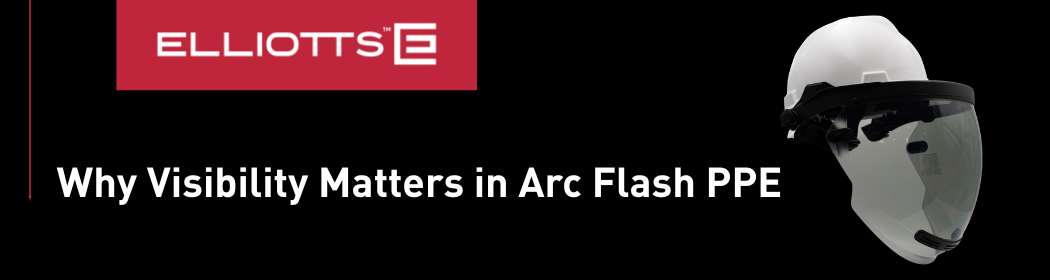
Why Visibility Matters in Arc Flash PPE
In arc flash protection, visibility is sometimes treated as a secondary issue. Protection ratings come first, and visual performance is seen as a bonus. But in reality, visibility is a core part of safety. If workers cannot see clearly, they cannot move naturally, judge risks accurately or perform detailed tasks with confidence.
That is why the ...
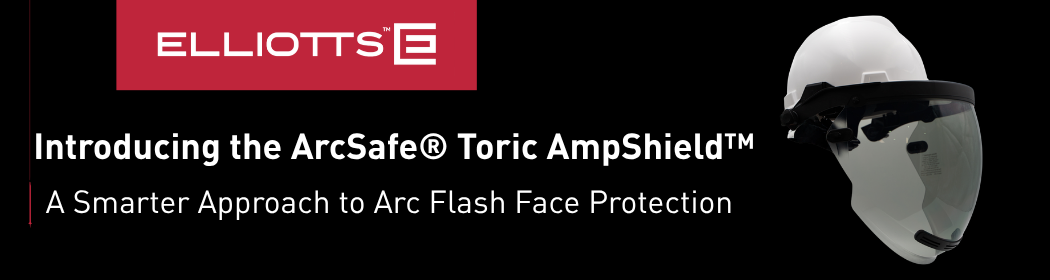
Introducing the ArcSafe® Toric AmpShield™: A Smarter Approach to Arc Flash Face Protection
Arc flash PPE has always been about protection first. That remains essential. But in real working environments, protection alone is not the whole story. Workers also need to see clearly, move naturally and wear their PPE comfortably throughout the day. That is exactly why the ArcSafe® Toric AmpShield™ Arc Flash Face Shield is such an important ...
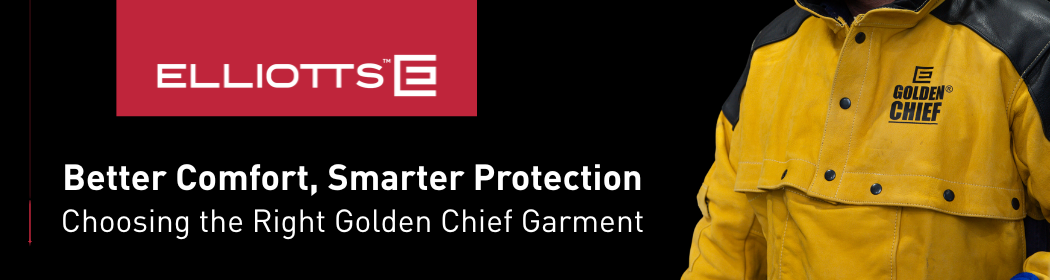
Better Comfort, Smarter Protection: Choosing the Right Golden Chief Garment
Not all welding tasks are the same; with some jobs in need of full upper-body protection, while others call for more airflow, extra front coverage or targeted protection for arms, boots and lower legs.
That’s why the relaunched Elliotts Golden Chief range gives welders multiple ways to protect themselves regardless of the task at hand.
At the ...
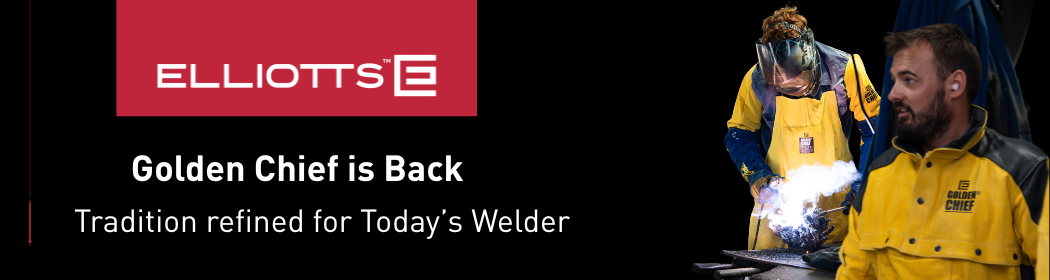
Golden Chief Is Back: Tradition Refined for Today’s Welder
Some products earn their place over time, and the Elliotts Golden Chief® range is one of them.
For more than 30 years, Golden Chief® has been part of the Elliotts range, trusted by welders who need practical, hard-wearing leather protection. Today, the range has been relaunched with upgraded materials, refreshed styling and certification...
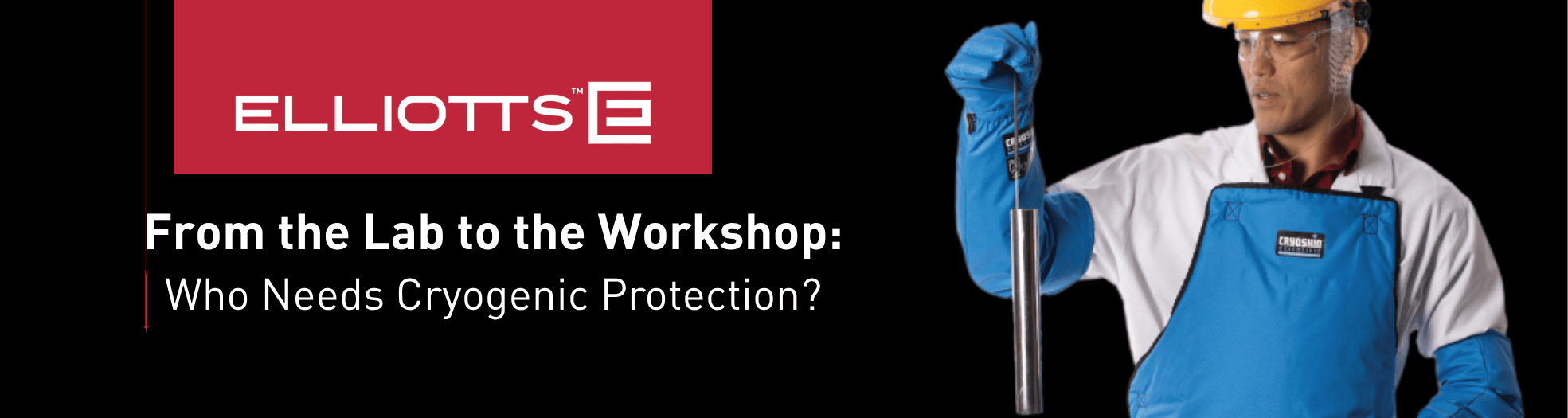
From the Lab to the Workshop: Who Needs Cryogenic Protection?
Cryogenic liquids such as liquid nitrogen are used across many industries for cooling, preservation and manufacturing. However, at temperatures down to -196°C they pose serious hazards. Direct contact can cause instant frostbite or cold burns, splashes and spills can damage tissue, and vapours can displace oxygen in confined spaces.
...
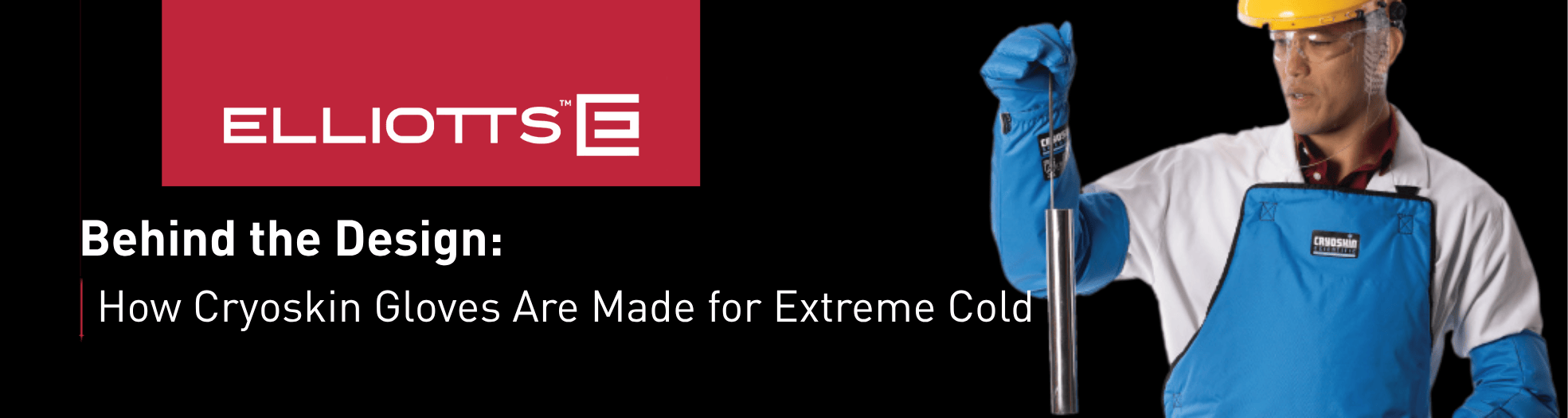
Behind the Design: How Cryoskin Gloves Are Made for Extreme Cold
When handling cryogenic liquids like liquid nitrogen at −196°C, the margin for error is razor thin. A single splash or brief contact can cause instant frostbite, cold burns, or permanent tissue damage. Ordinary freezer or leather gloves absorb liquid, stiffen, and compromise safety.
Elliotts developed the Cryoskin® range of cryogenic ...
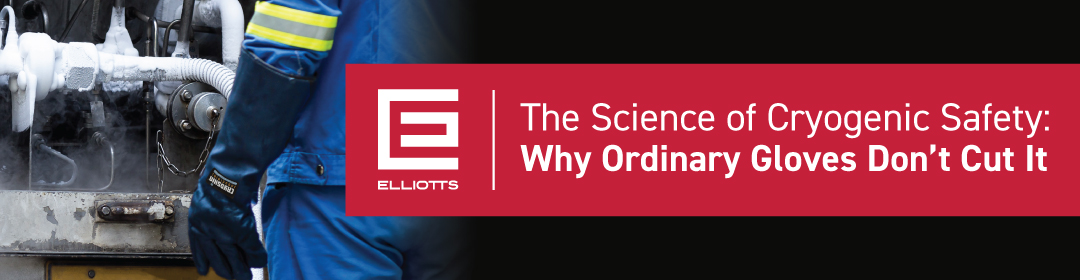
The Science of Cryogenic Safety: Why Ordinary Gloves Don’t Cut It
Handling cryogenic liquids like liquid nitrogen is no ordinary task. At -196°C, even a drop of liquid nitrogen can cause instant frostbite, and other cryogens including dry ice, liquid helium, and liquid oxygen post similar dangers.
Standard PPE wont cut it and this is where CryoSkin® gloves and aprons make the difference.
...
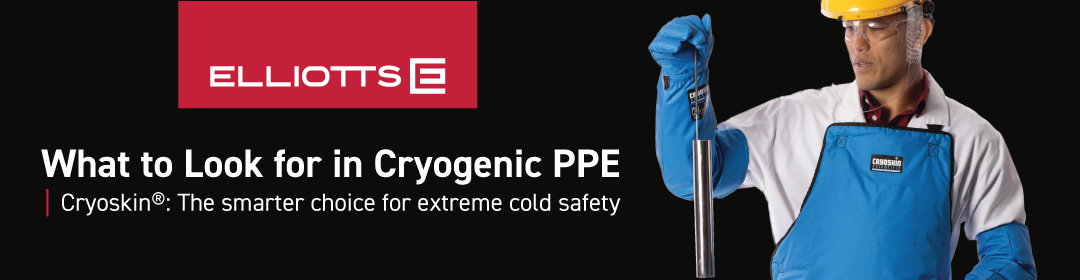
What to Look for in Cryogenic PPE
What to Look for in Cryogenic PPE
Working with cryogenic liquids such as liquid nitrogen, liquid oxygen, or dry ice requires more than ordinary protective gear.
At temperatures as low as -196°C, cryogens can cause severe frostbite, cold burns, and tissue damage within seconds. Whether you’re in a laboratory, medical facility, food ...

6 Questions to Better Understand PPE Requirements for High Heat Environments.
When it comes to ensuring safety in the foundry industry, choosing the right protective apparel is crucial. High-heat environments demand specialised safety wear that can withstand extreme conditions while providing comfort and mobility to the wearer. To make an informed decision, we’ve put together the following 6 questions ...